Memphis summers are long, hot, and humid, and they're hard on air conditioners. The best time to find a weak part is April or May, not the first 95-degree Saturday in June. Here's what a thorough tune-up covers, and which parts you can handle yourself.
What you can do yourself
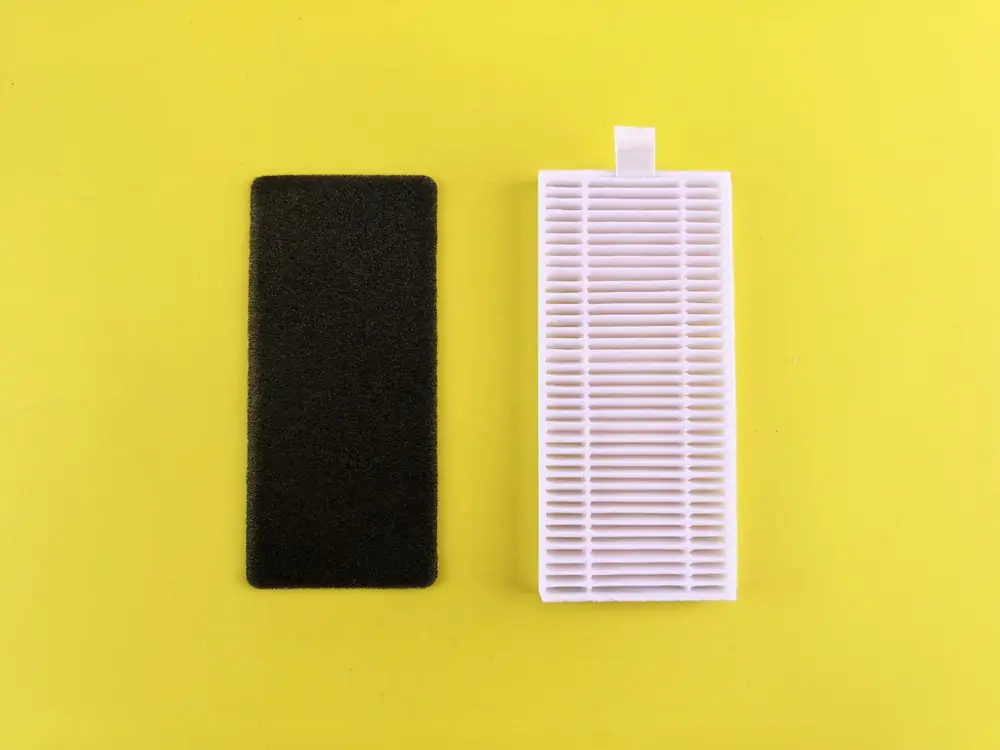
- Change the filter. Write the size down. During cooling season, check it monthly, and more often if you have pets or ongoing construction.
- Clear the outdoor unit. Keep about two feet of space around the condenser. Cut back shrubs and rinse cottonwood, grass, and leaves off the coil with a gentle hose spray (power off first).
- Find your condensate drain line and make sure it's draining outside or to a drain, not backing up.
- Test the system early. Run cooling on a warm spring day. If something's wrong, you want to find out before the rush.
- Check the thermostat batteries.
What a technician should check
- Electrical: capacitor readings, contactor condition, tight connections, and the disconnect. Weak capacitors are one of the most common causes of summer no-cool calls.
- Refrigerant operation: pressures and temperatures checked against the manufacturer's specs. If it's low, there's a leak, and topping it off without finding the leak isn't a fix.
- Airflow: blower operation, the filter, and the temperature split across the indoor coil.
- Coils: clean the outdoor coil and inspect the indoor coil as far as access allows.
- Condensate system: flush the drain, test the float switch, and look over the pan. In Memphis humidity, a clogged drain can mean water through the ceiling.
- Controls: thermostat operation and setup, especially on heat pumps.
Humidity is half the job
If your home feels clammy at the set temperature, the system isn't removing enough moisture. Oversized equipment, high blower speeds, and leaky return ducts in the attic are the usual causes. See indoor air quality and humidity control.
For property managers
At an apartment community, the spring pass is what decides how bad your first heat wave will be. Filters, drain treatment, and capacitor checks across every unit take the edge off the surge. Our PM contracts are built around that schedule.